A Consensus Review on Hepatoprotective Potential of Herbal Drugs
Liver injury is major health problems about more than 900 drugs implicated in case of liver injury. Hepatotoxicity is caused by the alcoholic consumption, toxic substances and certain drugs which produce injury to liver such as thioacetamide, paracetamol, anti-tubercular drugs, chemotherapeutic agents and some of organic and inorganic compounds. Medicinal plants are the significant source of hepatoprotective drugs. Mono and poly-herbal preparations have been used in various liver disorders since ages. Clinical research has also shown that herbals have genuine utility in the treatment of liver diseases. The current article deals with phyto pharmacological investigation on some herbs used in liver and gall bladder ailments.
INTRODUCTION
The liver is the largest glandular organ in the body, and has more functions than any other human organ. A person's entire blood supply passes through the liver several times a day; the liver is the key organ of metabolism, secretion and excretion which is continuously and widely exposed to xenobiotics, environmental pollutants and chemo therapeutic agents because of its strategic location in the body.
Liver disease is a worldwide problem. Liver has a pivotal role in human metabolism.Liver produces and secretes bile. It also produces prothrombin and fibrinogen, both blood clotting factors, and heparin, a mucopolysaccharide sulfuric acid ester that helps keep blood from clotting within the circulatory system. The liver converts sugar into glycogen. Conventional drugs used in the treatment of liver diseases are sometimes inadequate and can have serious adverse effects. It is, therefore, necessary to search for alternative drugs for the treatment of liver disease to replace currently used drugs of doubtful efficacy and safety. The liver plays an astonishing array of vital functions in the
maintenance, performance and regulating homeostasis of the body. Liver is considered to be one of the most vital organs that functions as a centre of metabolism for nutrients such as carbohydrates, proteins and lipids and excretion of waste metabolites.
Liver diseases have become one of the major causes of morbidity and mortality in man and animals all over the globe and hepatotoxicity due to drugs appears to be the most common contributing factor. Among the many diseases that can affect the liver the most common is 'viral hepatitis' (Inflammation of liver caused by viral infection). Hepatitis can be caused by drugs, viruses, bacteria, mushrooms, parasites like amoebas or giardiasis. About 20,000 deaths found every year due to liver disorders. The use of natural remedies for the treatment of liver diseases has a long history and medicinal plants and their derivatives are still used all over the world in one form or the other for this purpose. Scientific evaluation of plants has often shown that active principles in these are responsible for therapeutic success. A large number of medicinal plants have been tested and found to contain active principles with curative properties against a variety of diseases. Liver protective plants contain a variety of chemical constituents like phenols, coumarins, lignans, essential oil, monoterpenes, carotinoids, glycosides, flavanoids, organic acids, lipids, alkaloids and xanthenes. Recent experience has shown that plant drugs are relatively non-toxic, safe and even free from serious side effects.
Additionally, it is also handling the metabolism the biochemical pathways to growth, fight against disease, nutrient supply, energy provision and reproduction and excretion of drugs and other xenobiotics from the body thereby providing protection against foreign substances by detoxifying and eliminating them. The bile secreted by the liver has, among other things, plays an important role in digestion. Enhanced lipid per oxidation during metabolism of ethanol may result in development of hepatitis leading to cirrhosis. Since time immemorial, mankind has made the use of plants in the treatment of various ailments. The Indian traditional medicine like Ayurvedic, Siddha and Unani is predominantly based on the use of plant materials. Herbal drugs have gained importance and popularity in recent years because of their safety, efficacy and cost effectiveness.The association of medical plants with other plants in their habitat also influences their medicinal values in some cases. One of the important and welldocumented uses of plant products is their use as hepatoprotective agents. Hence, there is an ever increasing need for safe hepatoprotective agent.
Silymarin is a potent hepatoprotective drug having established place in hepatology practice. Silymarin is flavono-lignan mixture obtained from seeds of Silybum marianum. Silymarin is a mixture of silybin, isosilybin, silychristin and silydianin. Research on Indian medicinal herbs like Picrorhiza kurroa (Kutaki) and Andrographis paniculata (Kalmegh) has thrown light on hepatoptotective activity and it is more promising than silymarin.
Treatment of Liver Disease
Each liver disease will have its own specific treatment regimen. For example, hepatitis A requires supportive care to maintain hydration while the body's immune system fights and resolves the infection. Patients with gallstones may require surgery to remove the gallbladder. Other diseases may need long-term medical care to control and minimize the consequences of their disease. In patients with cirrhosis and end-stage liver disease, medications may be required to control the amount of protein absorbed in the diet. The liver affected by cirrhosis may not be able to metabolize the waste products, resulting in elevated blood ammonia levels and hepatic encephalopathy. Low sodium diet and water pills (diuretics) may be required to minimize water retention.In those with large amounts of ascites fluid, the excess fluid may have to be occasionally removed with a needle and syringe (paracentesis). Using local anesthetic, a needle is inserted through the abdominal wall and the fluid withdrawn. Operations may be required to treat portal hypertension and minimize the risk of bleeding. Liver is the final option for patients whose liver has failed.
Treatment by herbal drugs
Medicinal herbs are significant source of hepatoprotective drugs. Mono and poly-herbal preparations have been used in various liver disorders. According to one estimate, more than 700 mono and poly-herbal preparations in the form of decoction, tincture, tablets and capsules from more than 100 plants are in clinical use. A drug having beneficial effect on the liver is known as hepatoprotective drug.On the other hand, drugs having toxic affect on the liver are better known as hepatotoxic drugs. Clinical research has also shown that herbals have genuine utility in the treatment of liver diseases. The article deals with investigative work done on herbals beneficial in liver and gall bladder ailments.
Classification of Hepatoprotective Agents
These are generally classified into 3 categories without any strict delineation amongst them. Anti Hepatotoxic agents: These generally antagonize the effects of any hepatotoxins causing hepatitis or any liver disease.
- Hepatotropic agents: These generally support or promote the healing process of the liver. In practice these two activities cannot be easily distinguished from each other.
- Hepatoprotective agents: These generally prevent various types of liver affections prophilactically. In general any hepatoprotective agent can act as an anti hepatotoxic or hepatotropic agent but the vice versa is always not true.
Hepatoprotective Herbs
Herbal-based therapeutics for liver disorders has been in use in India for a long time and has been popularized world over by leading pharmaceuticals. Despite the significant popularity of several herbal medicines in general, and for liver diseases in particular, they are still unacceptable treatment modalities for liver diseases. The limiting factors that contribute to this eventuality are:
(i) Lack of standardization of herbal drugs.
(ii) Lack of identification of active ingredients(s)/principles(s).
(iii) Lack of randomized controlled clinical trials (RCTs).
(iv) Lack of toxicological evaluation.
The use of natural remedies for the treatment of liver diseases has a long history, starting with the Ayurvedic treatment, and extending to the Chinese, European and other systems of traditional medicines. The 21st century has seen a paradigm shift towards therapeutic evaluation of herbal products in liver disease models by carefully synergizing the strengths of the traditional systems of medicine with that of the modern concept of evidence-based medicinal evaluation, standardization and randomized placebo controlled clinical trials to support clinical efficacy.
A large number of plants and formulations have been claimed to have hepatoprotective activity. Nearly 160 phytoconstituents from 101 plants have been claimed by Pharmacopeia Foundation to possess liver protecting activity. In India, more than 87 plants are used in 33 patented and proprietary multi-ingredient plant formulations. In spite of the tremendous advances made, no significant and safe hepatoprotective agent is available in modern therapeutics. Therefore, due importance has been given globally to develop plant-based hepatoprotective drugs, effective against a variety of liver disorders. The present review is aimed at compiling data based on reported works on promising phytochemical from medicinal plants that have been tested in hepatotoxicity models.
Abutilon Indicum
Hepatoprotective activity of Abutilon indicum on experimental liver damage in rats was studied by Porchezhian and Ansari.They used carbon tetrachloride and paracetamol induced hepatotoxicity in rats. A. indicum exhibited significant hepatoprotective activity by reducing carbon tetrachloride and
paracetamol induced change in bio-chemical parameters that was evident by enzymatic examination. The plant extract may interfere with freeradical formation, which may conclude in hepatoprotective action. Acute toxicity studies revealed that the LD50 value is more than the dose of 4 g/kg body wt. They attributed the hepatoprotective activity to the inhibitory effects of drug on cytochrome P450 or/and promotion of its glucuronidation. Β-Sitosterol is present in A. indicum and a petroleum ether extract has larvicidal properties against the mosquito larvae Culex quinquefasciatus. A methanol extract of A. indicum has some antimicrobial properties.

Figure 1: Abutilon Indicum
Borreria Articularis


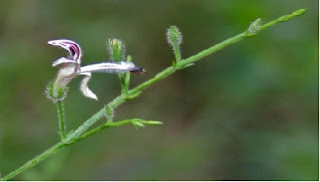


The hepatoprotective activity of methanolic extract of Borreria articularis (L.F) F.N. Willams: (Rubiaceae) at doses of 250 mg/kg and 500 mg/kg were evaluated by carbon tetrachloride (CCl4) intoxication in rats. The toxic group which received 25% CCl4 in olive oil (1 ml/kg) per oral (p.o), alone exhibited significant increase in serum ALT, AST, ALP, and TB levels. It also exhibited significant (P<0.001) decrease in TP and ALB levels. The groups received pretreatment of Borreria articularis at a dose of 250 and 500 mg/kg b.w. p.o. had reduced the AST, ALT, ALP and TB levels and the effects were compared with standard drug (Silymarin100mg/kg b.w. p.o).The total protein
(TP) and albumin (ALB) levels were significantly increased in the animals received pretreatment of the extract at the moderate and higher dose levels and the histo-pathological studies also supported the protective effect of the extract. Plants contain ß-sitosterol and ursolic acid; and d-mannitol. Seeds contain isorhamnetin.

Figure 2: Borreria Articularis
Citrus Microcarpa
The Philippine
Department of Health stated that liver cancer is the third common forms of cancer
for both males and females, hence the need for more hepatoprotective agents. Silymarin, from milk thistle is the most well known hepatoprotective
agent but due to availability and economic concerns with the use of milk
thistle other sources were explored. Fruit peels constitute a bulk in
Philippine wastes. If such wastes can be used as hepatoprotective agents, then
wastes will be decreased and new sources of important products may be
discovered.
This study was aimed to
evaluate the hepatoprotective activity of Citrus microcarpa Bunge fruit peel
extract relative to the commercially available Silymarin preparations. The
chemical components of the fruit peels were analyzed to ascertain pharmacologic
value. The study used an experimental research design using BFAD- Sprague
Dawley rats as subjects. The hepatoprotective activity was evaluated based on
changes in the liver morphology- gross examination and differences in serum
liver enzyme levels- bilirubin, aspartate aminotransferase (AST), alanine
aminotransferase (ALT) and alkaline phosphatase (AP) within and among the
groups of rats. There was a significant decrease in ALT, AST and AP levels
among rats administered with the fruit peel extract. Silymarin significantly
decreased bilirubin levels. These suggest a comparable hepatoprotective
activity between Silymarin and the fruit peel extract tested. Phytochemical
analysis showed that the fruit peel extract contained flavonoids, tannins, and
glycosides. Quantitative analysis on the chemical components of the fruit peel
extract is suggested to facilitate the study of its exact mechanism of action.
Research on the protective ability of the fruit peel extract on other organ
systems is recommended. It is also suggested that other chemical liver toxicity
inducers be used to observe the range of hepatoprotective activity of the fruit
peel extract studied .

Figure 3: Citrus Microcarpa
Andrographis Paniculata
King of Bitters
botanically known as Andrographis paniculata is an ancient Indian
medicinal herb, which has been used for centuries in Asia for its effects on
various bodily functions and ailments, ranging from degenerative diseases to
the common cold. It is known as Kalmegh and is used as a bitter ingredient in
the Indian indigenous system of medicine. The leaves contain andrographolide,
most active component of Andrographis paniculata is very bitter in taste .
One the most common
therapeutic potential of Andrographis paniculata is its liver protective
property, which is well established experimentally. Alcoholic extract of the
leaves of Andrographis paniculata was found to be effective in
prevention of liver damage. In another study administration of Andrographis
paniculata exhibited liver protective effects by enhancing activity of
antioxidant enzymes like superoxide dismutase, catalase, glutathione peroxidase,
glutathione reductase along with the level of glutathione and decreasing the activity
of lipid peroxidase which leads to generation of free radicals damaging the
liver cells. Thus by means of its synergistic effects Andrographis
paniculata exerts its well-known hepatoprotective action .
Andrographolide, an active ingredient in Andrographis, has
been shown to be responsible for the herb's inflammatory modulating actions,
including the reduction of cytokine and peritoneal deposition of neutrophils,
and modulation of lung inflammation in
vivo.
Andrographolide is the major constituent extracted
from the leaves of the plant which is a bicyclic diterpenoid lactone. This
bitter principle was isolated in pure form by Gorter (1911). Such other
activities as liver protection under various experimental conditions of
treatment with galactosamine (Saraswat et al., 1995), paracetamol (Visen et al., 1993) etc. are also attributed to andrographolide. The hepatoprotective action of
andrographolide is related to the activity of certain metabolic enzymes (Choudhury
and Poddar, 1984, 1985; Choudhury
et al., 1987). Systematic studies on
chemistry of A. paniculata have been carried out.

Figure 4: Andrographis Paniculata
Cichorium
Intybus
Cichorium
intybus commonly known as Chicory is
an indigenous perennial herb well reputed ancient Indian medicine as a liver
tonic. Accordingly it has been used as ayurvedic medicine for gall and liver
disturbances. It forms an important component of several important liver preparations
in India. In preclinical studies an alcoholic extract of the Cichorium intybus
was found to be effective against chlorpromazine - induced hepatic damage in
adult albino rats.
Extracts of Cichorium
intybus were screened for their ability to protect the CCl4 and paracetamol
intoxicated liver in rats and were found to possess significant
anti-hepatotoxic properties. Study done by using ethanol extract of Cichorium
intybus in dose of 300 mg/kg showed significant increase in circulating
leukocytes and relative weights of liver, as compared with alcohol alone which
provides the evidence for liver protective effects of the herb .

Figure 5: Cichorium Intybus
Wedelia Calendulacea
Bhangra scientifically
known as Wedelia calendulacea, belonging to Compositae family is a perennial
herb, with light camphor-like odor. The plant is traditionally used as a tonic,
for hepatic and spleen enlargement, and in skin diseases. Historical use of Wedelia
calendulacea as liver tonic is scientifically confirmed.
Preclinical Studies
demonstrate its protective action in paracetamol induced liver damage by increasing
serum enzyme levels (lactate dehydrogenase, alanine and aspartate transaminase and
alkaline phophatase). The alcoholic extract of whole plant Wedelia
calendulacea exhibited protective activity against carbon
tetrachloride-induced liver injury in vivo. The extract also increased the bile
flow in rats suggesting a stimulation of liver secretory capacity. The minimum
lethal dose was greater than 200 mg/kg p.o. in mice.

Figure 6: Wedelia Calendulacea
Boerhavia Diffusa
The roots of Boerhavia diffusa,
commonly known as 'Punarnava', are used by a large number of tribes in India
for the treatment of various hepatic disorders and for internal inflammation. Anodectal
data has also reported effectiveness of Boerhavia diffusa in cases of
oedema and ascites resulting from early cirrhosis of the liver and chronic
peritonitis. In scientific studies the chloroform and methanolic extracts of
the roots and aerial parts of Boerhavia diffusa exhibited
hepatoprotective activity against carbon tetrachloride .
A proprietary hepato-tonic herbal formulation containing Boerhavia diffusa as
one of the major ingredient offered significant protection against decrease in
haemoglobin percentage R.B.C. and W.B.C counts and the various liver microsomal
enzymes. Boeravinones G and H are two rotenoids isolated from B. diffusa.

Figure 7: Boerhavia Diffusa
Salacia Reticulata
Salacia
reticulata is a member of
Hippocrateaceae family climbing shrub with blackish branches. The roots are
traditionally used in treatment of gonorrhea, itches, swelling, diabetes and
liver tonic. The Hepatoprotective effects extracts from the roots and stems of Salacia
reticulata were examined using an oxidative stress-induced liver injury model. Both extracts significantly suppressed the increase in glutamic
oxaloacetic transaminase and glutamic pyruvic transaminase activities in carbon
tetrachloride (CCl4)-treated mice. These extracts also inhibited CCl4-induced
thiobarbituric acid-reactive substance formation, which indicates increased
lipid peroxidation in the liver. These results suggest that the antioxidative activity
is involved in the hepatoprotective activity of S. reticulate.

Figure 8: Salacia Reticulata
Phyllanthus Amarus
Numerous medicinal plants
and their formulations are used for liver disorder in Ethno medical practice
and in traditional system in India. Indigenous plant Phyllanthus amarus was
selected for clinical investigation of hepatoprotective activity. The ability
of whole dried drug powder of Phyllanthus amarus (a traditionally used
in the treatment of Jaundice) was tested for hepatoprotective activity on 107
patients who suffering from liver disease . The powder of the
herb was given thrice a day (morning, noon and night, 3 gm each time) orally
with water for 30-45 days depending on the severity of the disease. The
patients were evaluated for the changes in biochemical markers like SGPT,
Billirubin and Haemoglobin on day zero, seven, fourteen, twenty one, twenty
eight and forty two. There was significant decrease in SGPT, Billirubin and
increase in hemoglobin.
Phytochemical studies
have shown the presence of many valuable compounds such as lignans, flavonoids,
hydrolysable tannins (ellagitannins), polyphenols, triterpenes, sterols and
alkaloids. The extracts and the compounds isolated from P. amarus show a wide
spectrum of pharmacological activities including antiviral, antibacterial, antiplasmodial,
anti-inflammatory, antimalarial, antimicrobial, anticancer, antidiabetic,
hypolipidemic, antioxidant, hepatoprotective nephroprotective and diurectic
properties.

Figure 9: Phyllanthus Amarus
Stachytarpheta Indica
The objective of the
present study appraised the hepatoprotective activity of ethanolic extracts of
Stachytarpheta indica (whole plant) on winstar rats. Liver damage was induced
by intraperitonial administration of carbon tetrachloride (1ml/kg,b.w,p.o) for
7 days. The extent of damage was studied by assessing biochemical parameters.
The ethanolic extracts of Stachytarpheta indica (300mg & 600mg/kg,b.w,p.o)
were administered respectively to the animals treated with carbon tetrachloride
and its effects on biochemical parameters were compared with standard drug
solitarian (100mg/kg,b.w p.o). Stachytarpheta indica showed significant
reduction of serum enzymes-AST, ALT, ALP, TP & Bilirubin (Aspartate Transminase,
Alanine Transminase, Alkaline Phosphatase, Total Protein & Total
Billirubin) when compared to control rats. The hepatoprotective
effect of Stachytarpheta indica was comparable with the standard drug Silymarin.
It was confirmed by histopathological study. The effect of extract 600mg/kg was
almost equal to that of standard drug.

Figure 10: Stachytarpheta Indica
Eclipta Alba
Eclipta alba Hassk.
(Bhringaraja, Family: Compositae) is a perrenial shrub which grows widely in
moist tropical countries.Different uses have been reported for this shrub. It
is used as alterative, anthelmintic, expectorant, antipyretic, antiasthmatic,
tonic, in hepatic and spleen enlargement, in skin diseases and as a substitute
for Taraxacum (a popular liver tonic). Recently Chandra, have
observed a significant anti-inflammatory activity of the powder in rats. It has
been reported to be useful in liver ailments & has been shown to possess
hepatoprotective activity against carbon- tetrachloride induced liver cell
damage in animals. The effect of Eclipta alba (EA) extract was studied
on paracetamol induced hepatic damage in Mice. Treatment with ethanol extract
of E. alba was found to protect the the mice from hepato-toxic action of
paracetamol as evidenced by significant reduction. in the elevated serum
transaminase levels .
Eclipta contains Coumestans such as wedelolactone and demethylwedelolactone, polypeptides,thiophene derivatives,steroids,triterpenes,polyacetylenes.

Figure 11: Eclipta Alba
Foeniculum Vulgare
Fennel (Foeniculum
vulgare Mill., family Umbelliferae) is an annual, biennial or perennial aromatic
herb, depending on the variety, which has been known since antiquity in Europe
and Asia Minor. The leaves, stalks and seeds (fruits) of the plant are edible. Foeniculum
vulgare is an aromatic herb whose fruits are oblong, ellipsoid or
cylindrical, straight or slightly curved and greenish or yellowish brown in
colour .Volatile components of fennel seed extracts by chromatographic
analysis include transanethole, fenchone, methylchavicol, limonene, α- pinene, camphene,
β-pinene, β-myrcene, α- phellandrene, 3-carene, camphor, and cisanethole .
Hepatoprotective activity of Foeniculum vulgare (fennel) essential oil was
studied using a carbon tetrachloride-induced liver fibrosis model in rats.
The hepatotoxicity produced by chronic carbon tetrachloride administration was
found to be inhibited by Foeniculum vulgare essential oil with evidence
of decreased levels of serum aspartate aminotransferase, alanine aminotransferase,
alkaline phosphatase and Billirubin.
Figure 12: Foeniculum Vulgare
Tinispora Cordifolia
Tinospora
Cordifolia commonly known as
Guduchi is one of the most valuable medicinal plant of ayurveda. According to
Ayurvedic lexicons Tinospora cordifolia is referred to as “Amrita”. The
term “Amrita”is attributed to this drug in recognition to its ability to impart
youthfulness, vitality and longevity to its patron. In modern medicine it is
well known for its Hepatoprotective, Adaptogenic and Immunomodulatory
activities. Clinical studies in twenty patients of infective
hepatitis showed that Guduchi plays an important role in relieving the symptoms
as well as normalization of altered liver functions. The majority of cases i.e.
15 cases (75 %) were cured and 5 cases (25%) improved after treatment with Tinospora
cordifolia.
Currently along with
antibiotics and supportive intensive care management, immunotherapy with
Tinospora cordifolia (Tc) is practiced in surgical units. This therapy has
shown to boost host defenses and decrease the incidence of epticaemia,
resulting in increased survival of patients. In experimental rats Tinospora
cordifolia (100mg/kg/d for 5 weeks) was found to decrease the renal damage,
improve the fibrinogen level, and reduce lead acetate induced endotoxaemia.
Tinospora cordifolia was also found to decrease renal ischemia induced mortality
to 36 percent. The prognosis following Tinospora cordifolia (Tc) appears to be
due to protection against all the risk factors. Kupffer cells are major
determinants of outcome of liver injury. Their activity was therefore studied
in a model of chronic liver disease. The effect of Tinospora cordifolia, with proven
hepatoprotective activity, was evaluated on Kupffer cell function, using carbon
clearance test as a parameter. Anti-hepatotoxic activity of Tinospora
cordifolia was studied in albino rats intoxicated with CCl4. Liver
function was assessed based on morphological, biochemical (SGPT, SGOT, Serum
alkaline phosphatase, Serum bilirubin) and functional (Pentobarbitone sleep
time) tests. Efficacy of Tinospora cordifolia as a sole constituent in goat’s
liver were studied. Results revealed clinical and hematobiochemical improvement
at the later stages in Tinospora cordifolia treated goats, indicating that it
has got hepatoprotective action.
The active adaptogenic constituents are diterpene compounds, polyphenols, and
polysaccharides, including arabinogalactan polysaccharide.

Figure 13:Tinispora Cordifolia
Picrorrhiza Kurroa
It contains picrorrhizin,
kutkin, picroside, and apocynin. The plant is used for anti-pyretic1,
hepatoprotective, cathartic, tonic, laxative, anti-allergic, anti-anaphylactic,
anti-epileptic, anti-paralytic, anthelminitic, appetizer, anti-ulcer, skin diseases,
antidote for dog bite and as a anti-histaminic.
Himoliv (HV) is a
polyherbal ayurvedic product (M/s. Emami Limited, Kolkata, India). HV contains aqueous
extracts of 25 indigenous medicinal plants .Some of these plants, viz., Picorrhiza
kurroa, Boerrhavia diffusa, Tinospora cordifolia, Andrographis paniculata and
Phyllanthus emblica have been individually reported to possess hepatoprotective
effect and antioxidant properties. HV is also claimed to be useful in hepatitis,
jaundice and biliary dysfunction. However, the pharmacological effects need
experimental evidence for their actions.
Figure 14:Picrorrhiza Kurroa
Tephrosia Purpurea
It contains lupeol, rutin, semiglabrin, semiglabrinol, tepurindiol,
tephroglabrin and karanjin. The plant is used for its hepatoprotective,
hematinic, anthelminitic, alexeteric, diuretic, immunomodulatory, anti-inflammatory,
anti diarrhoeal and antipyretic.
Many herbal remedies
have been employed in various medical systems for the treatment and management
of different diseases. The plant Tephrosia purpurea has been used in different
system of traditional medication for the treatment of diseases and ailments of
human beings. It is reported to contain various flavonoides, alkaloids,
steroids, phenolic compounds. It has been reported as antibacterial,
anticancer, antioxidant, anti-inflammatory, antiulcer, hepatoprotective,
immunomodulatory, antilithiatic, free radical scavenging, antileishmanial,
antibiotic, antimicrobial, anyihyperglycemic, antilipidperoxidative and wound
healing activities. There are also reports available for the traditional use of
this plant for its antipyretic, anticancer, diuretic properties. Many isolated
constituents from Tephrosia purpurea lack the reports of pharmacological
activities, which support its further pharmacological studies.

Figure 15:Tephrosia Purpurea
Justicia Adhatoda
It is belonging to family acanthaceae.
Justicia paniculata, decoction or infusion of the leaves has been used in
sluggish liver.The leaves of Justicia adhatoda showed significant
hepatoprotective effect at a dose of 50-100mg/kg on the liver damage induced by
d-galactosamine in rats. Several alkaloids are present in the leaves. The most important is vasicine, a quinazoline alkaloid.The
vasicine yield of the herbage has been measured as 0.541 to 1.1% by dry weight.
The leaves showed
significant hepatoprotective effect at a dose of 50-100 mg/kg on the liver
damage induced by D-galactoseamine in rats.

Figure 16:Justicia Adhatoda
Momordica Charantia
(Linn
Family: Cucurbitaceae) whose fruit is known as Karela/corilla, or bittergourd.
Unripe fruits of the plant are mainly used for diabetes and extensive
investigation has shown that an extract of the fruits has marked hypoglycemic properties
both in animals and human. Charantin is one of the hypoglycemic compounds,
which can be isolated from Momordica charantia fruit. It is a mixture of two
compounds (1:1) sitosteryl glucoside (C35H60O6)
and stigmasteryl glucoside (C35H58O6), both of
which are steroidal saponins.
Alcoholic extract of
whole fruit of Momordica charantia was prepared. Adult healthy albino rats were
divided into four groups and received a dose of 6 mg/100 gm. body weight of
alloxan monohydrate. Animals of group I served as diabetic control group. The
animals of II, III, and IV groups received 25 mg, 50 mg and 75 mg doses of the
extract respectively for different durations. 75 mg dose showed increase in
body weight. All doses of alcoholic extract of M. charantia were able to
decrease the blood sugar level significantly. Extract feeding showed definite
improvement in the islets of Langerhans. No toxic effect was observed in the
liver. The significant features of the study have been blood glucose once
lowered by the treatment with M. charantia fruit extract remained static even
after discontinuation of drug for 15 days. Blood sugar never fell below normal
values even with a high dose, in pancreatic islets, beta cells showed definite
improvement.

Figure 17: Momordica Charantia
Nordostachus Jatamansi
Nardostachys jatamansi DC. or ‘jatamansi’ is a small, perennial,
dwarf, rhizomatous, herb and the most primitive
species within the family Valerianaceae. All parts of N. jatamansi are
used and are effective antipyretics, antiseptics, anticonvulsants, antispasmodics,
antibacterial, antifungals, antiemetic and analgesics.
Pretreatment of rats with 800 mg/kg
body wt of the 50% ethanolic extract of N. jatamansi DC demonstrated significant
hepatoprotective activity against thioacetamide induced hepatotoxicity. Marked
reduction in raised levels of serum transaminase and alkaline phosphatase was
observed. Pretreatment of the animals with the extract further resulted in an increase in survival in rats
intoxicated with LD90 dose of the hepatotoxic drug.

Figure 18: Nordostachus Jatamansi
CONCLUSION
Considering the enormous biodiversity resources of
Indian traditional system and the high incidence of liver complications, the present
review extensively focuses on collection of data for different plants, which
are available in India. These medicinal plants claimed as liver protective
agents are classified according to their biological source, phytoconstituents;
part used and plants in formulations. People from India are still dependent on
conventional therapies to treat liver complications. Because of their easy
availability and low cost. Since large mass of populations used preferable
herbal preparation, therefore there is need to be evaluate for their proportion,
their dose and rational behind combination in different polyhedral preparation.
LINK- http://www.ijptb.com/issues/archives/vol1_issue1/IJPTB%200006.pdf


